Foam is just appearance.
Foam wraps the grease and carries it away with water. But dissolving starch and protein that have stuck and dried on the plate is not foam’s job. Lots of foam does not mean good cleaning.

Probiotic Dishwashing Gel
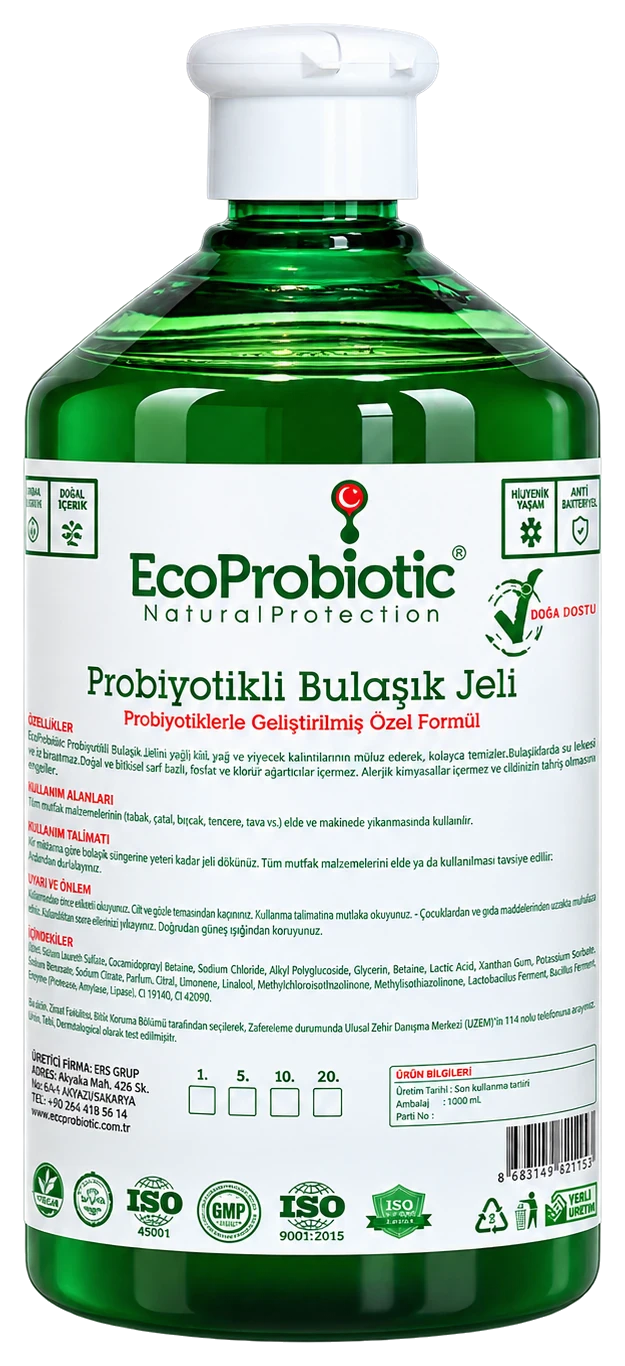
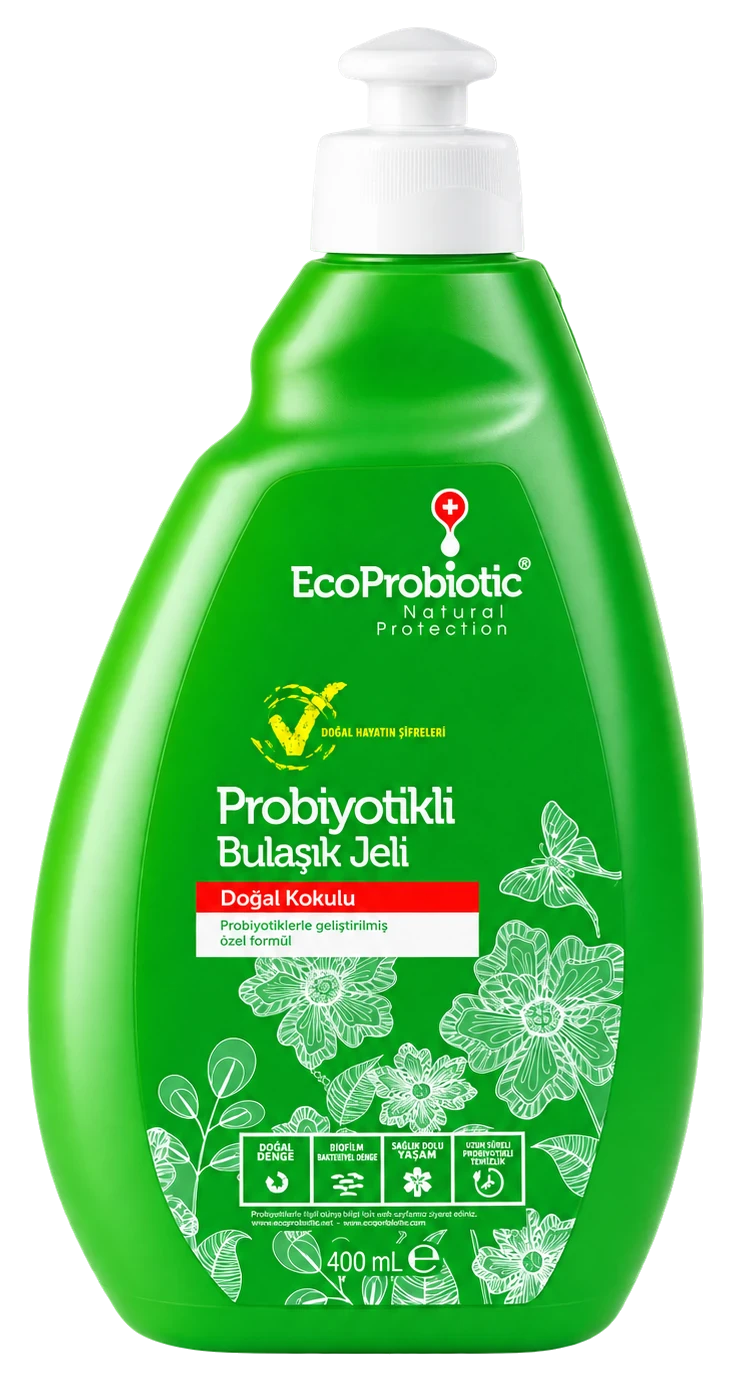
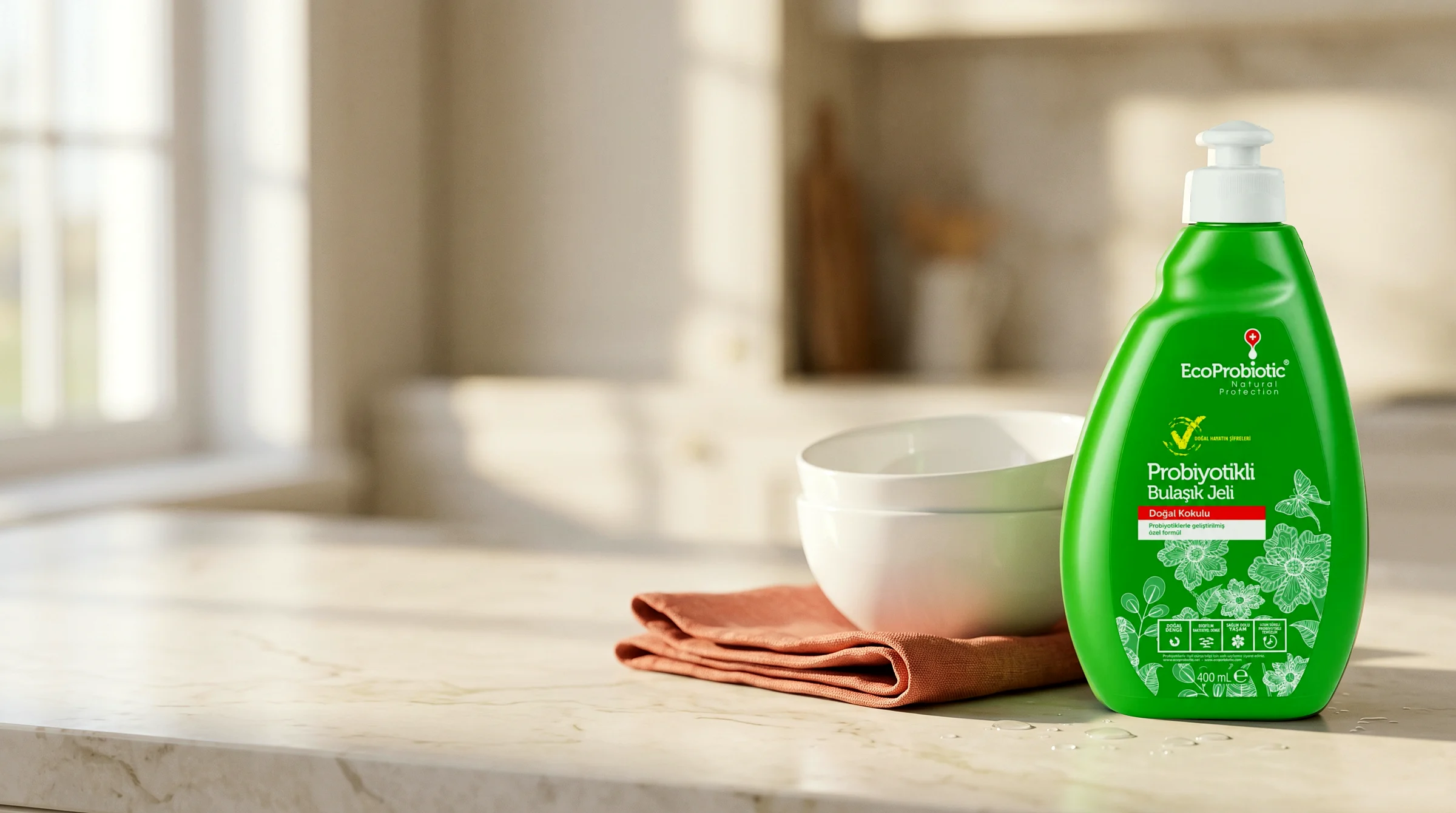
A probiotic dishwashing gel that leaves no invisible residue on your plates.
Foam is not cleaning. Foam is only for show. What matters is what is left on the plate once the foam is gone.
So don’t dismiss it as “just a dishwashing gel”.
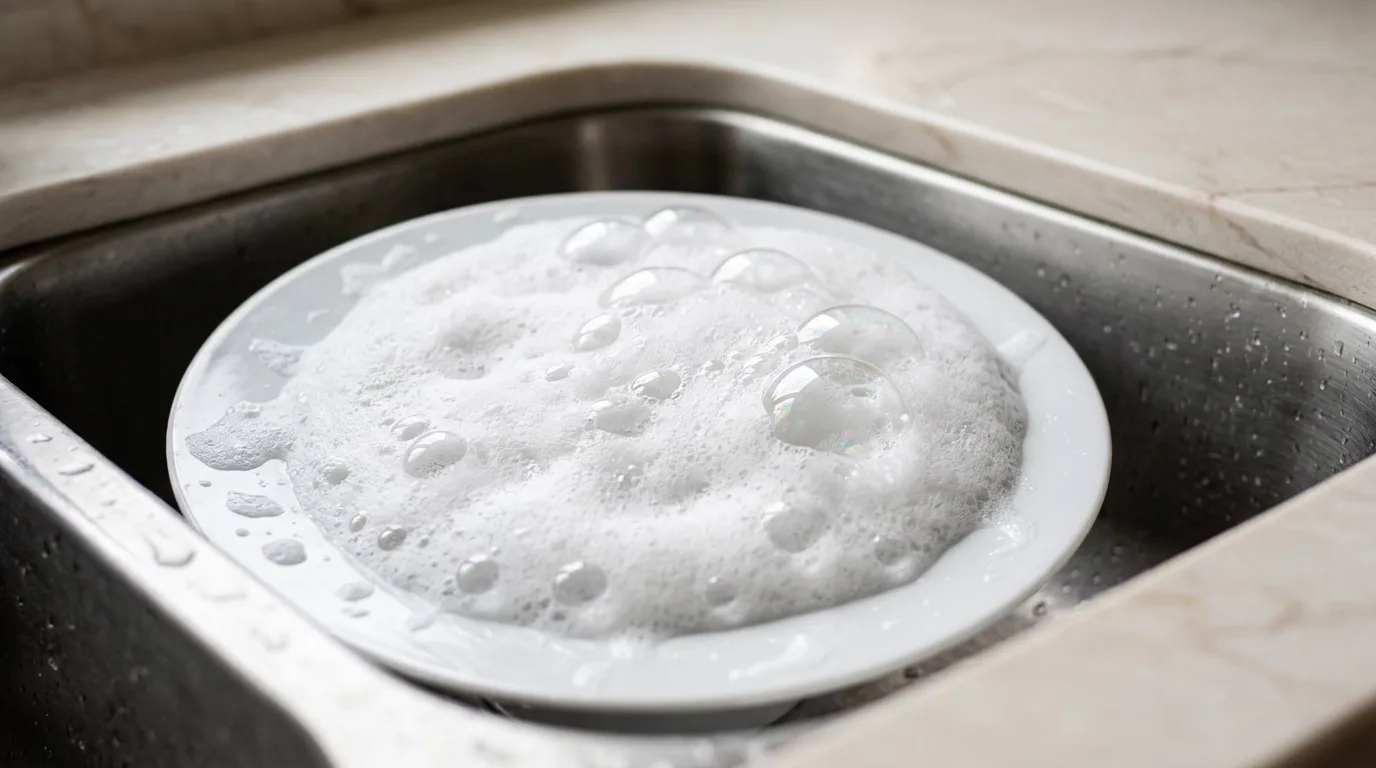 Foam wraps the grease
Dissolving dried starch is not foam’s job
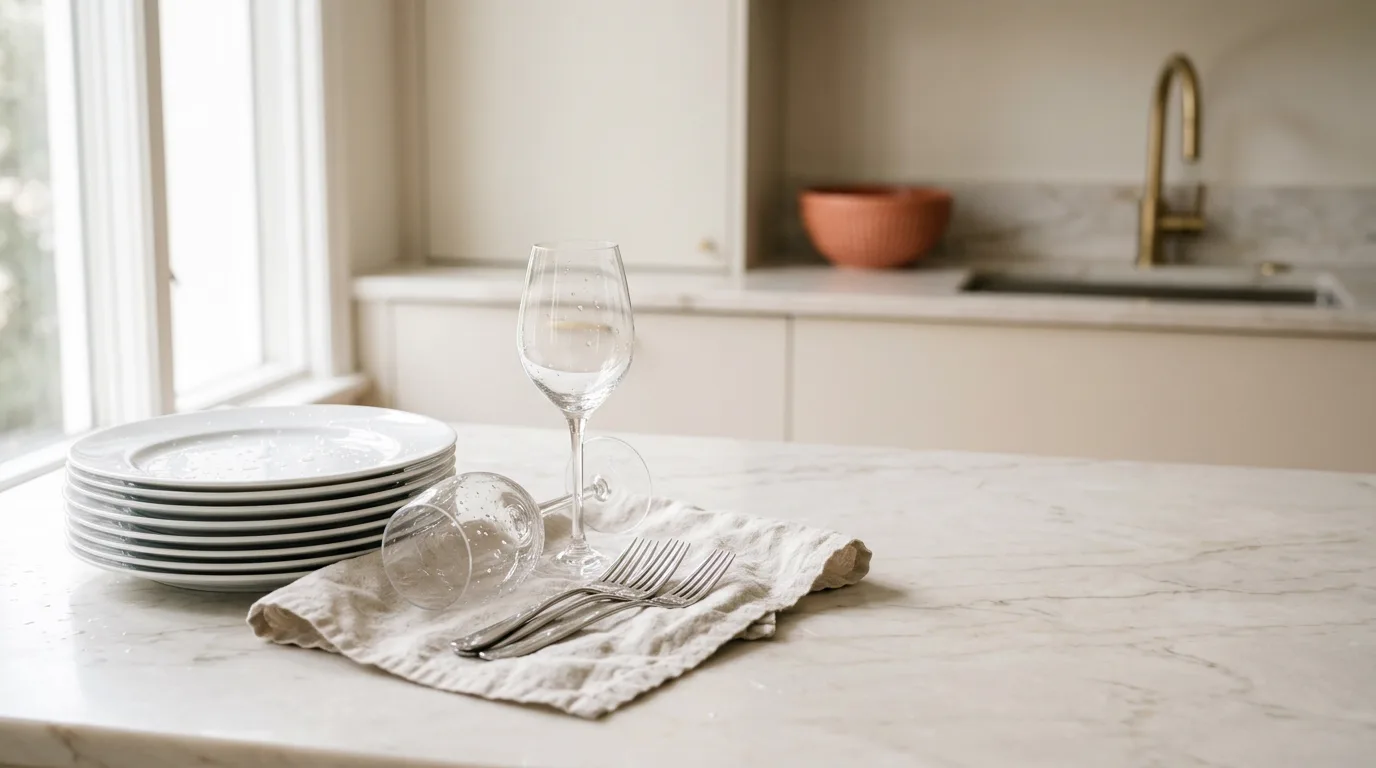 Shiny
Dry
Odorless
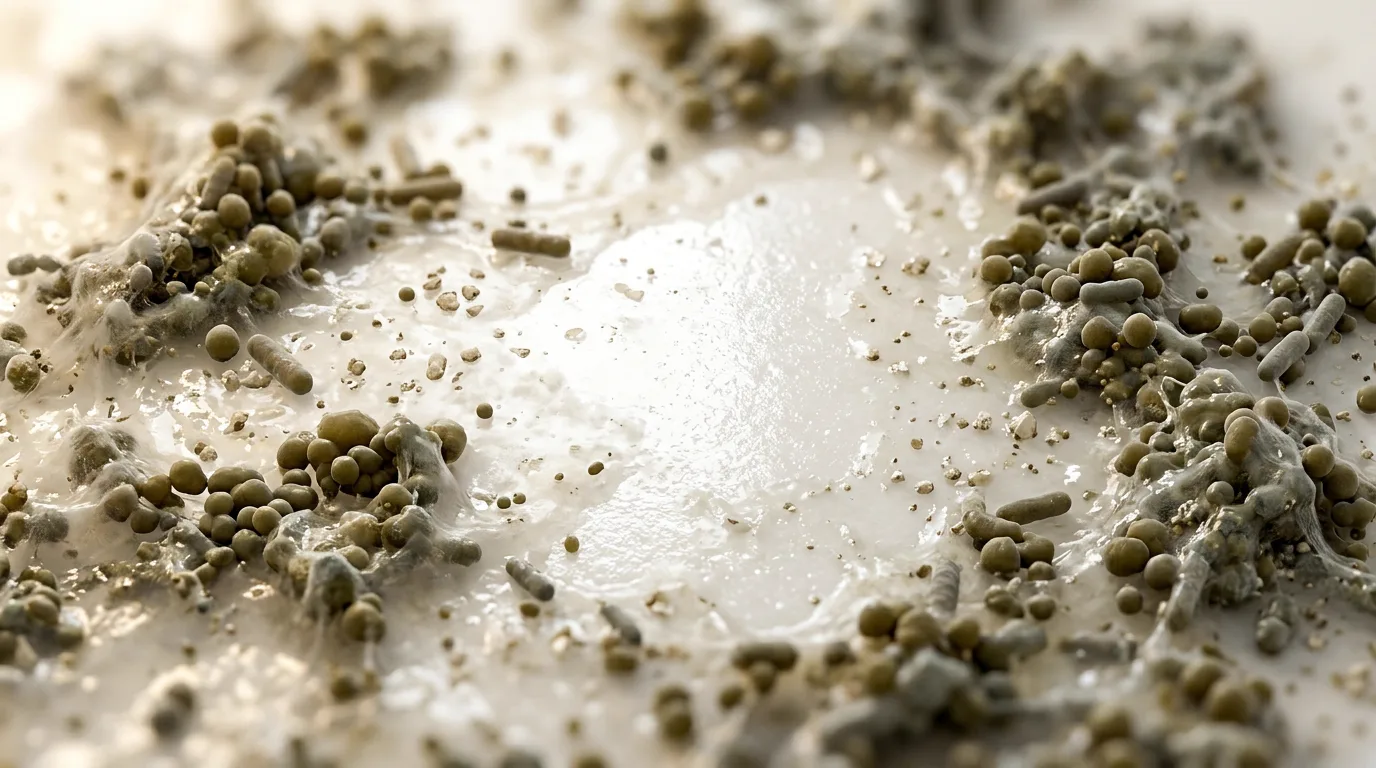 Harmful microorganisms
Thin residue film
Invisible residue
That is why “it looks clean” is not enough. Let’s look in three steps.
Foam wraps the grease and carries it away with water. But dissolving starch and protein that have stuck and dried on the plate is not foam’s job. Lots of foam does not mean good cleaning.
The film left behind is very thin. It dries clear, has no smell and does not dull the shine. This is exactly where the eye says “clean”.
That thin film holds food residue and harmful microorganisms. For them it is now both food and a place to cling to. At the next meal, it travels from the plate back to the table.
Probiotic Dishwashing Gel focuses on exactly this invisible layer.
The plates shine. The eye says “clean”.
Now let’s take a closer look.
Residue film and harmful microorganisms. The part the eye cannot see.
Here come the probiotics. The harmful ones retreat from the surface.
Probiotics settle on the surface. No room is left for the harmful ones.
Same look. The difference is on the surface.
Now it’s truly clean.
Scroll ↓
Where does residue come from?
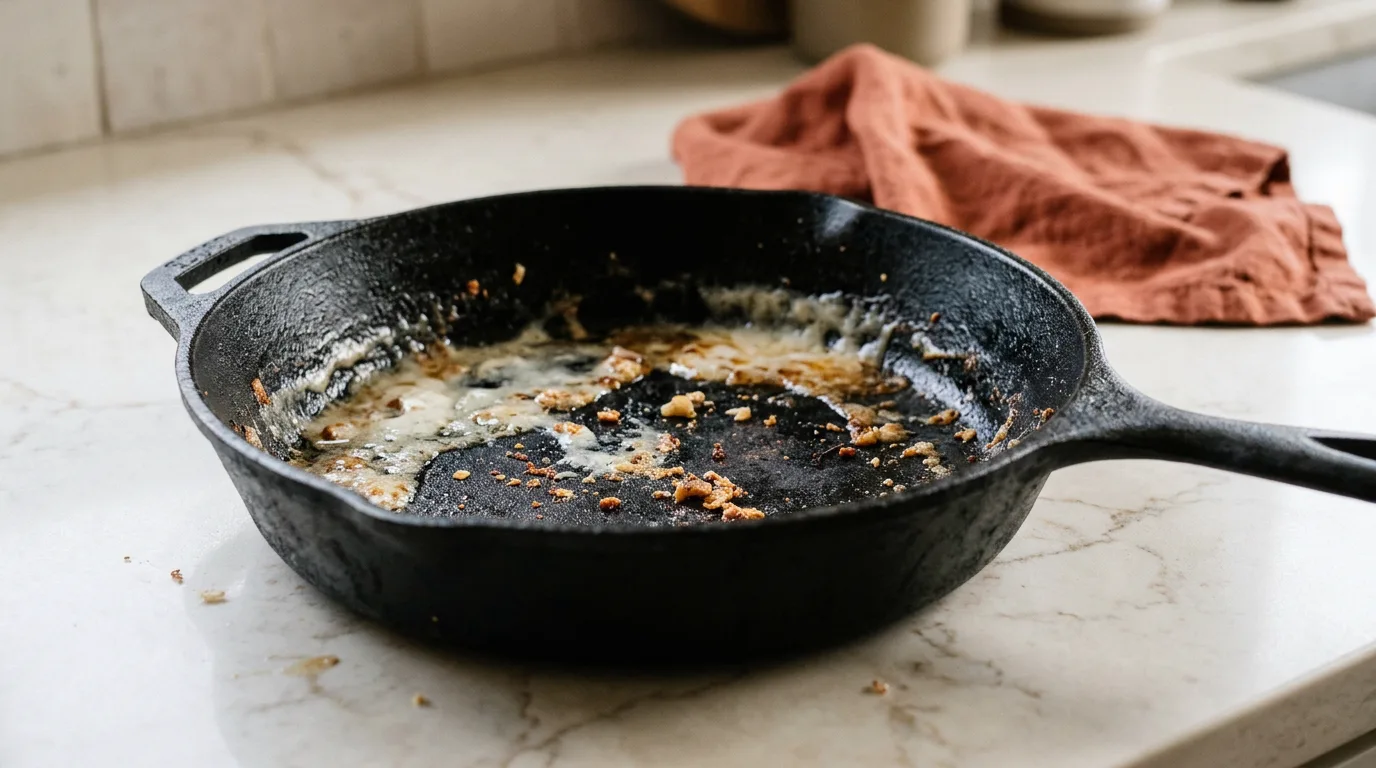
It sets in the pan and spreads across the plate.
The surfactants in the gel dissolve the grease, and it rinses away with water.
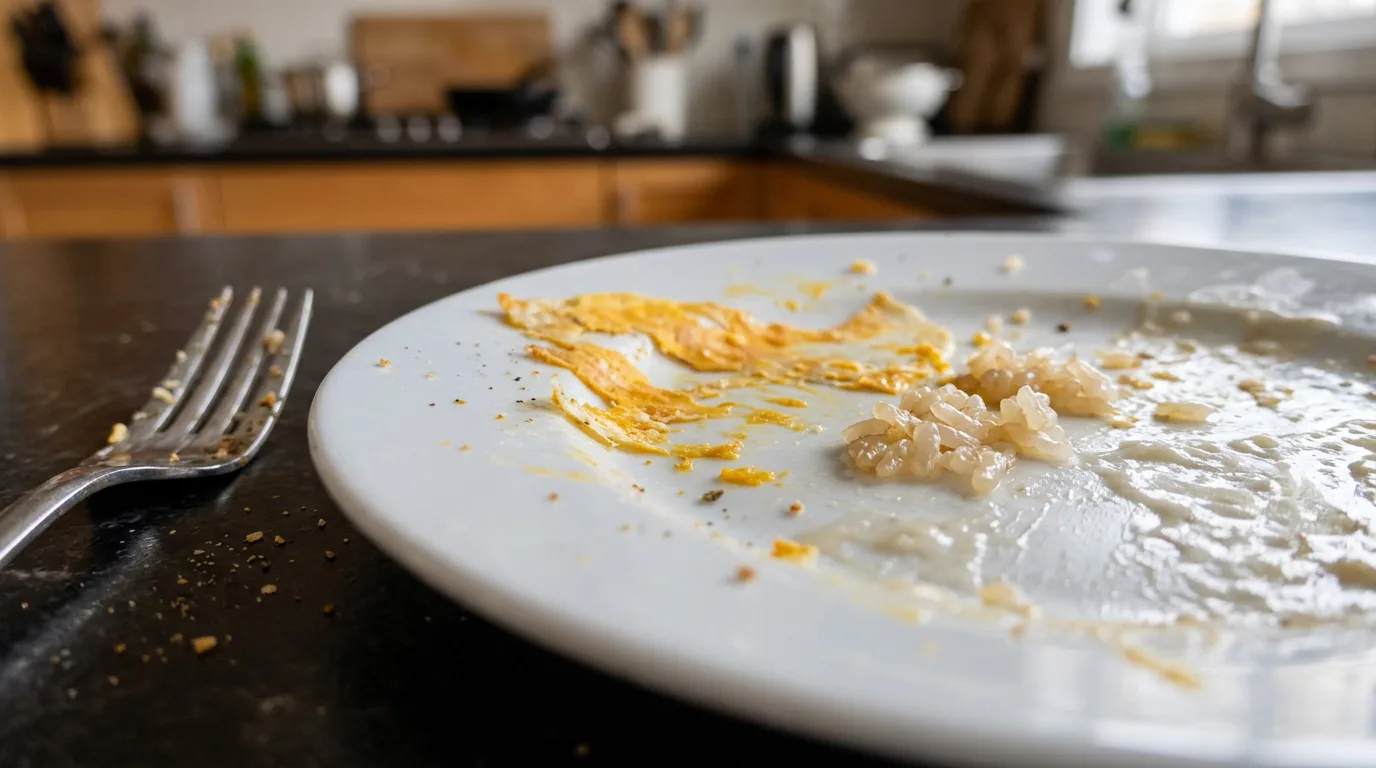
Rice, pasta, egg. Hard to dissolve with foam, they leave a thin, slippery film.
Probiotic-derived enzymes break this residue into small pieces; it rinses away easily.
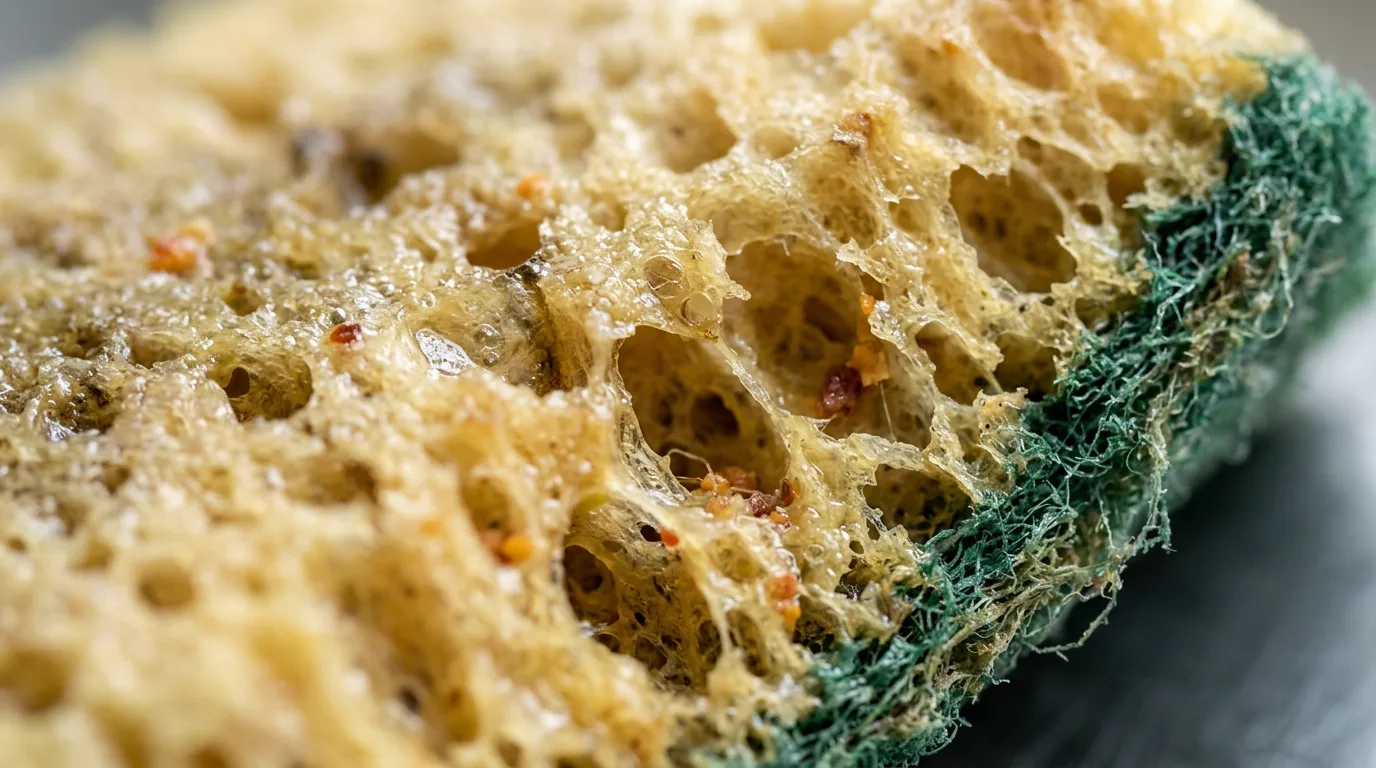
Undissolved residue fills the pores of the sponge and becomes food for bacteria.
Less residue stays in the sponge. The sponge starts to smell later.
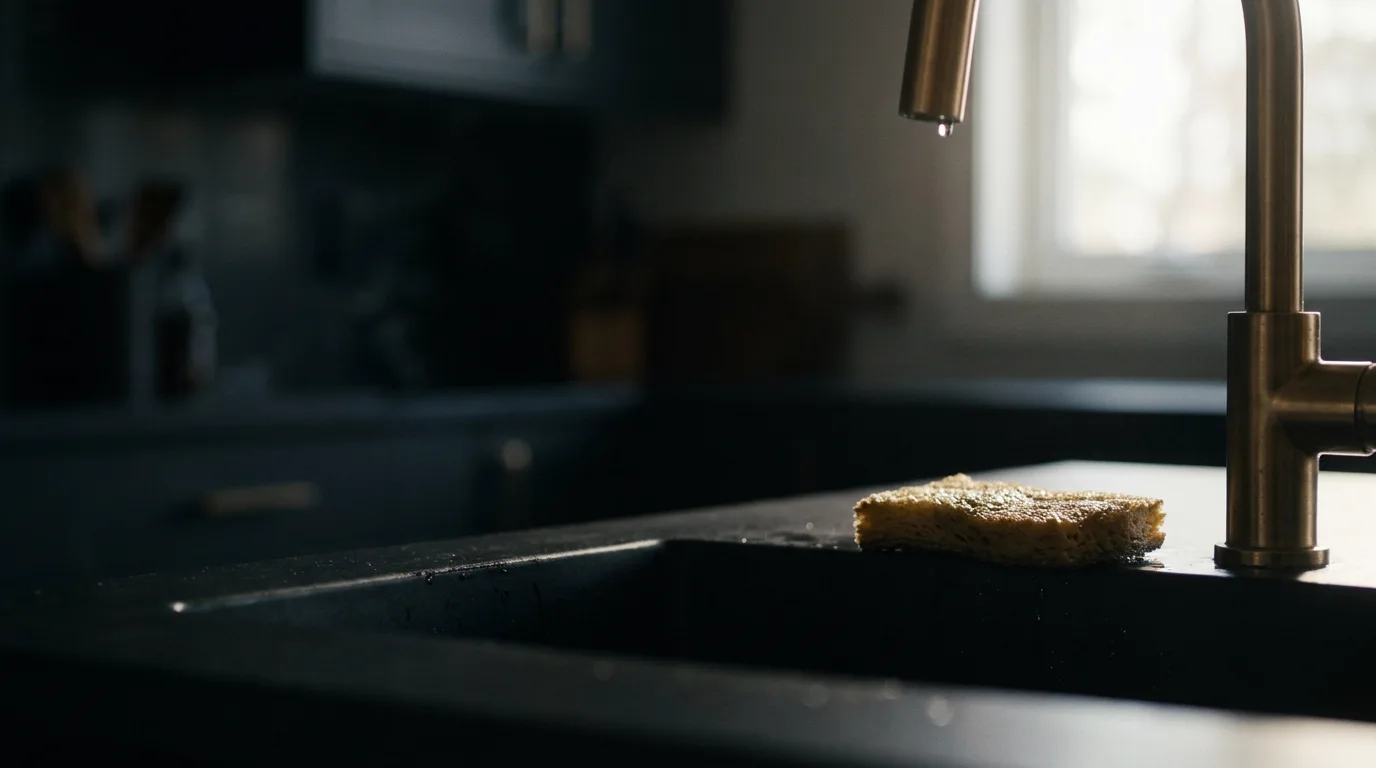
The sponge truth
0billion
The highest bacterial count per cubic centimetre measured in used kitchen sponges. Bacteria feed on the food residue that builds up in the sponge.
The less residue is left, the less food remains in the sponge.
Cardinale et al., Scientific Reports, 2017
Every day, for hand dishwashing
From set grease in the pan to baby bottles. A small amount is enough, and it rinses off easily with plenty of water. Even if you wash dishes every day, it does not dry out your hands.
Product page:Probiotic Dishwashing Gel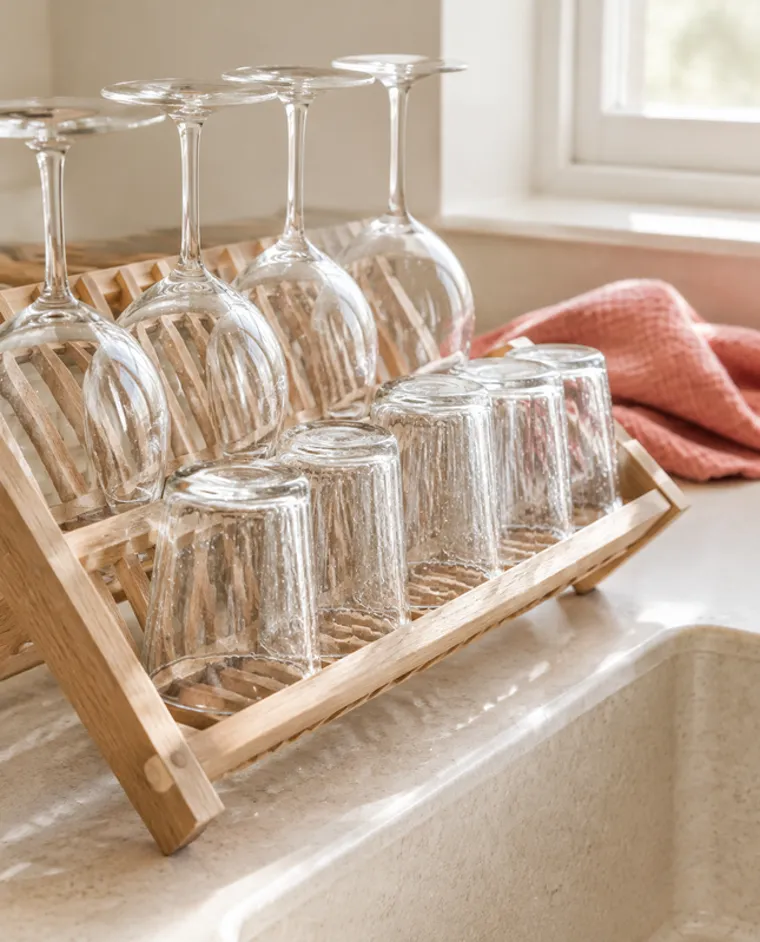
Rinses off without leaving a residue film. The shine comes from cleanliness.
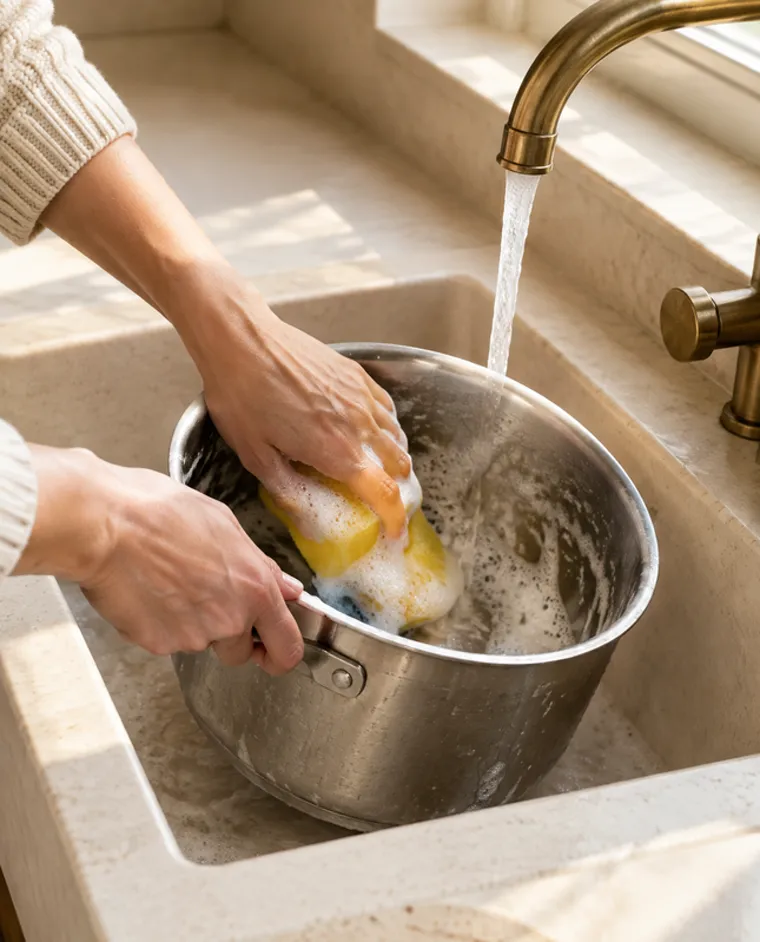
Its thick texture clings to set grease and makes scrubbing easier.
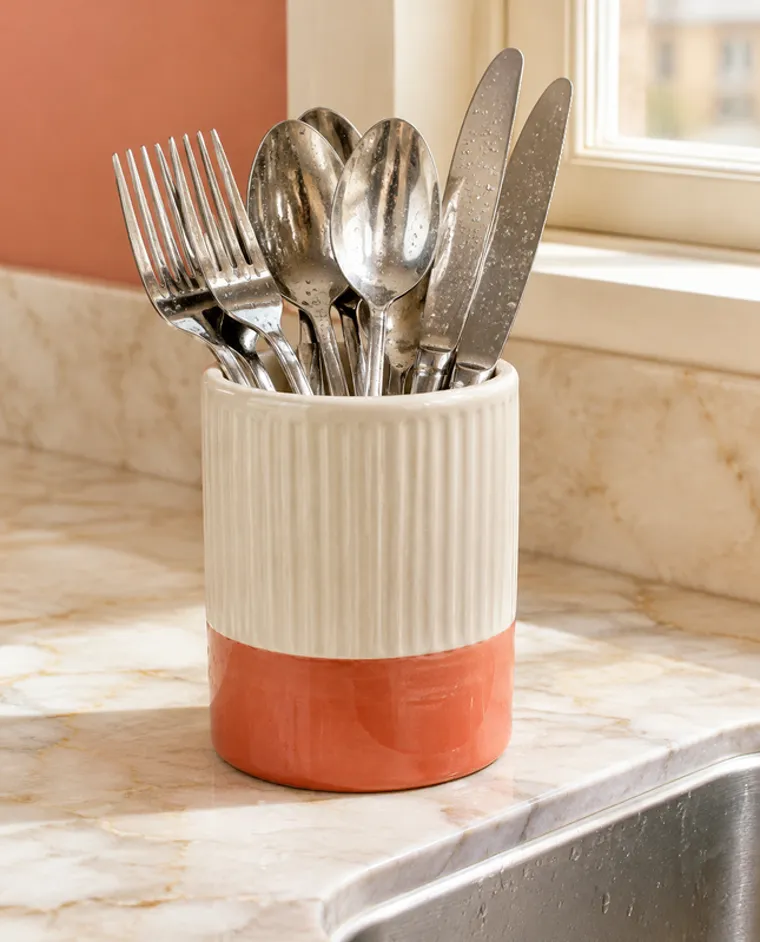
A little gel, lots of pieces. Leaves no residue on anything that goes into your mouth.
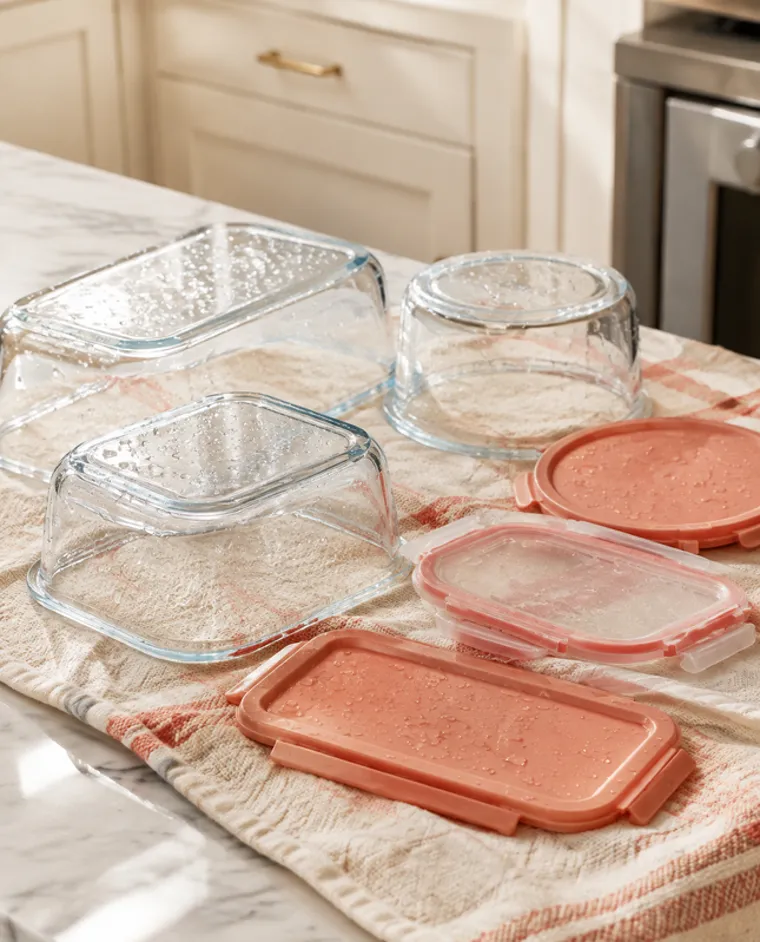
The greasy feel left on plastic rinses away with plenty of water.
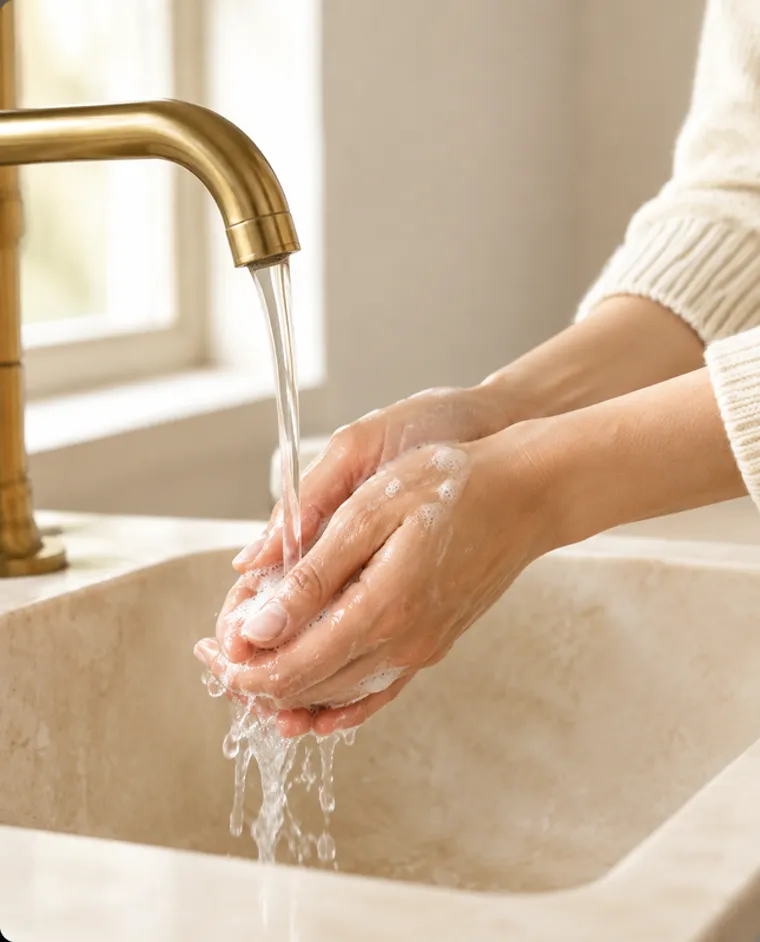
Free from chlorine and ammonia. Use it with peace of mind for hand dishwashing every day.
Our film
In our short film, we show how residue left on the plate makes its way to the table.
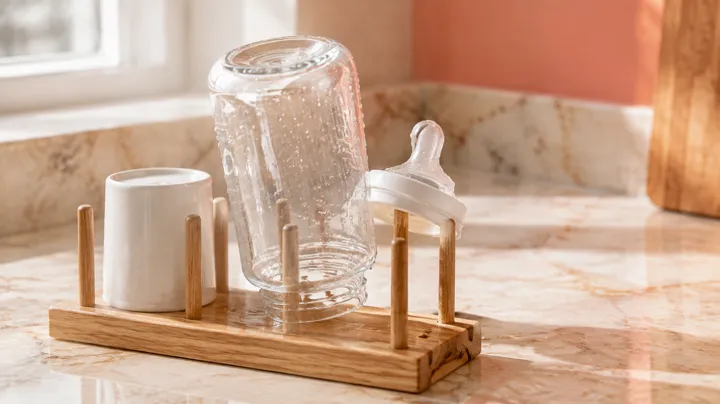
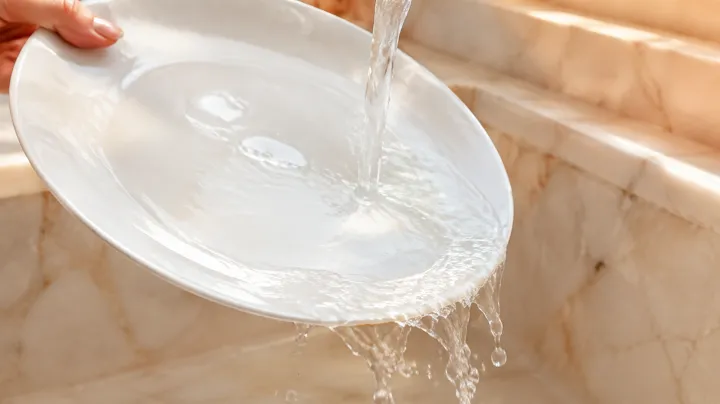

How to use
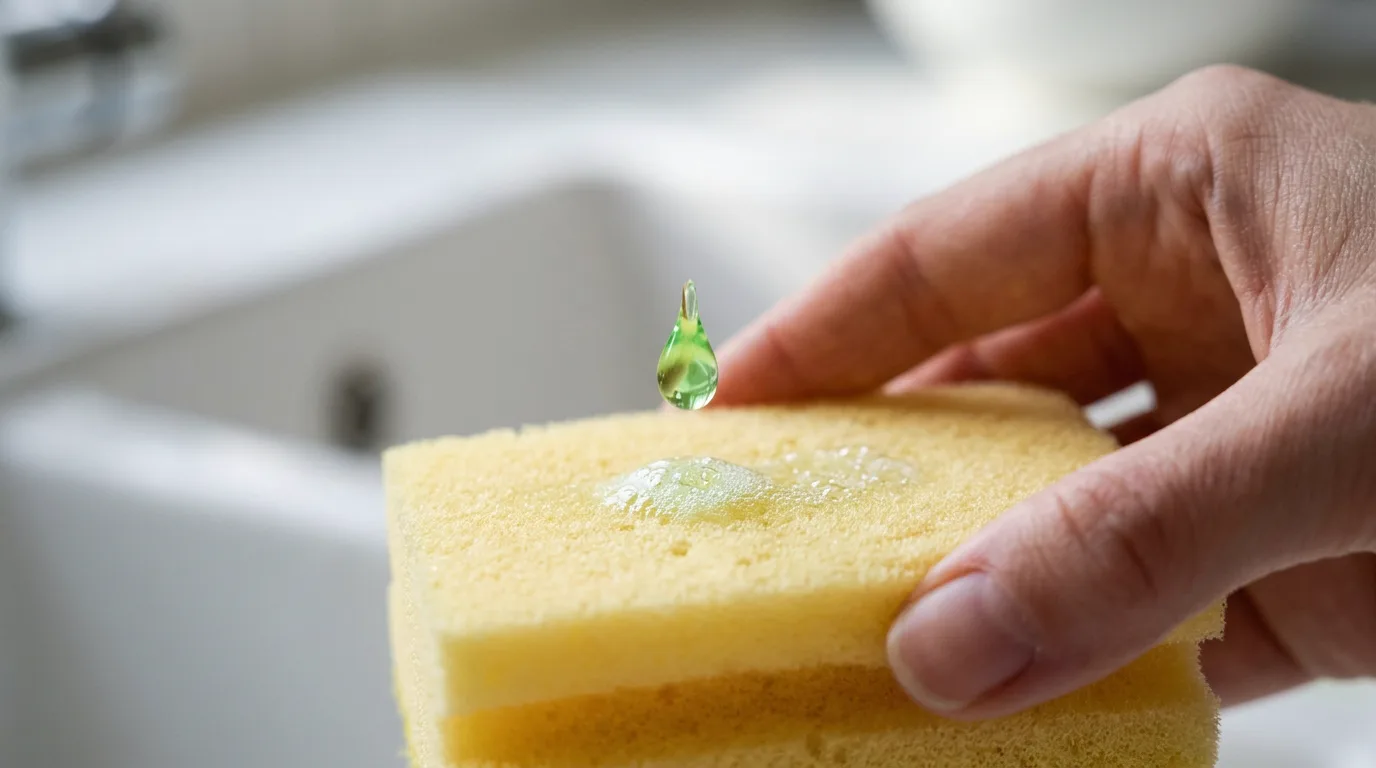
A hazelnut-sized amount on a damp sponge is enough. The texture is thick.
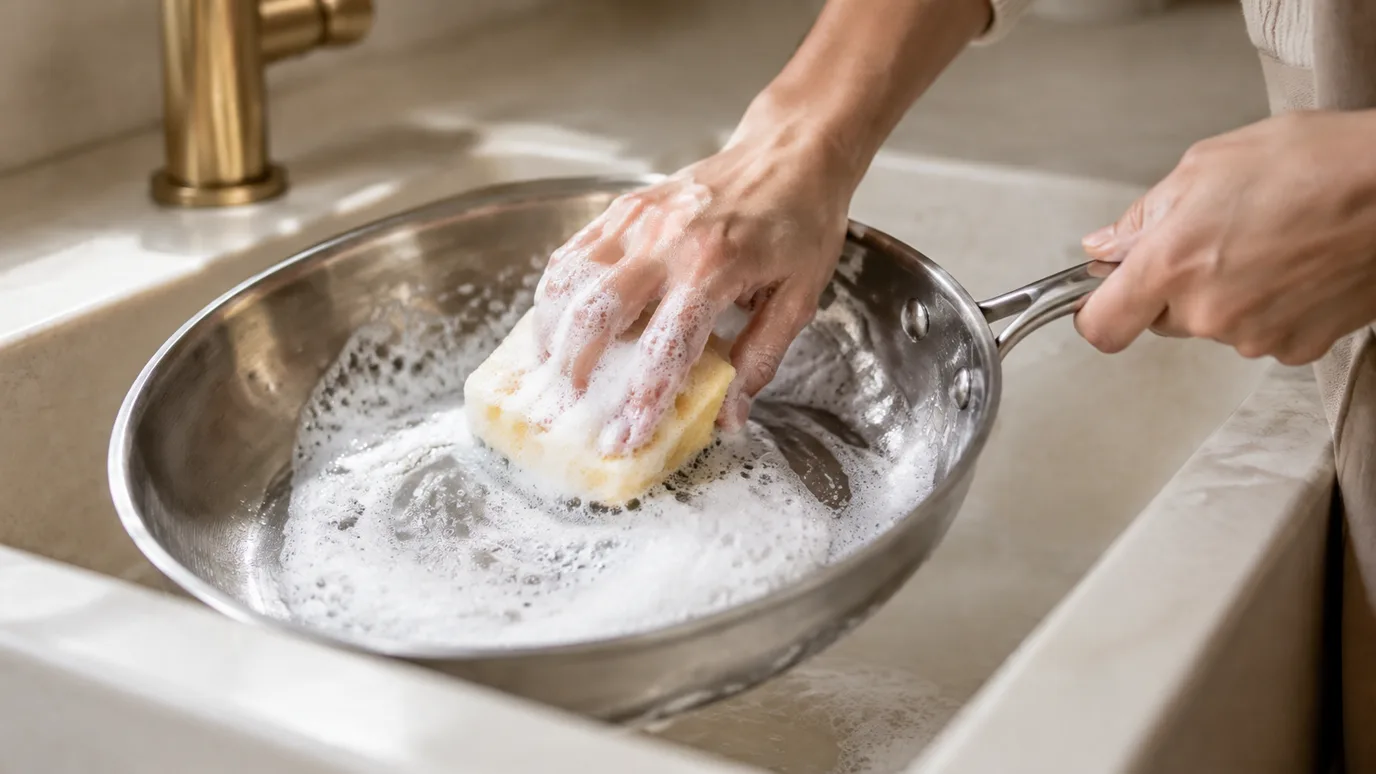
On greasy pans and dried-on plates, let the gel sit for a few seconds, then scrub.
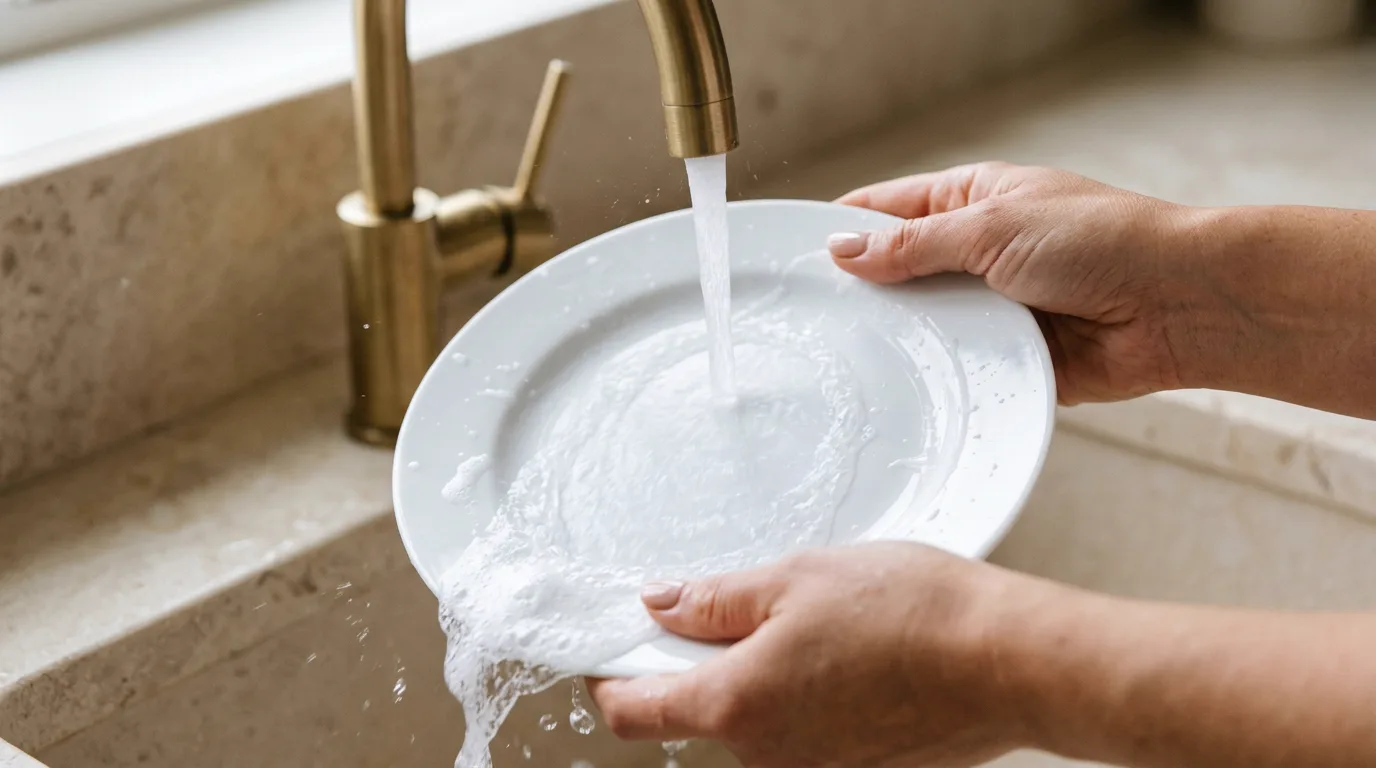
The foam goes, and the residue goes with it. Rinse the sponge too and leave it to dry.